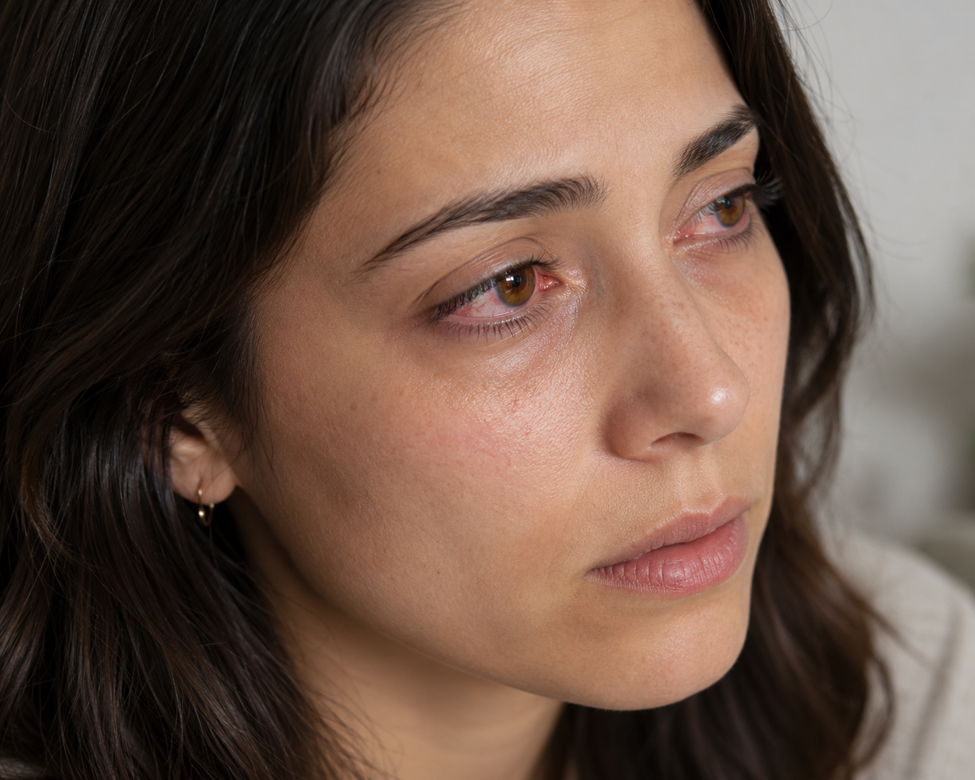
Dry, Irritated Eyes? Relief Starts with Understanding the Cause.
If your eyes often feel dry, gritty, watery, or tired, you’re not alone. Millions of people experience dry eye syndrome, a common condition that occurs when your eyes don’t produce enough healthy tears or when tears evaporate too quickly.
At Modern Optometry, we go beyond treating symptoms. Our goal is to identify the underlying cause of your dry eye and develop a personalized treatment plan that provides lasting relief.
BOOK YOUR APPOINTMENTSymptoms of Dry Eye Syndrome
Dry eye can affect your comfort, vision, and quality of life. Symptoms may include:
- Dry or scratchy eyes
- Burning or stinging sensation
- Gritty or sandy feeling
- Redness
- Excessive tearing (watery eyes)
- Blurred or fluctuating vision
- Eye fatigue
- Light sensitivity
- Difficulty wearing contact lenses
- Discomfort while reading or using digital devices
- Eyes that feel worse in air conditioning, heat, or windy environments
Many people are surprised that watery eyes can actually be a sign of dry eye. When your eyes become excessively dry, they often respond by producing poor-quality reflex tears that do not adequately lubricate the surface of the eye.
What Causes Dry Eye?
Healthy tears are made of three important layers—oil, water, and mucus—that work together to keep your eyes comfortable and your vision clear. When one or more of these layers becomes unbalanced, dry eye develops.
Common causes include:
Meibomian Gland Dysfunction (MGD)
The tiny oil glands in your eyelids become blocked or stop functioning properly. Without enough oil, tears evaporate too quickly. This is the leading cause of dry eye.
Aging
Natural tear production decreases with age, especially after age 50.
Digital Eye Strain
Extended computer, phone, and tablet use reduces blinking, allowing tears to evaporate faster.
Medications
Certain medications can decrease tear production, including:
- Antihistamines
- Antidepressants
- Blood pressure medications
- Acne medications
- Pain relief medications
- Some hormone therapies
Medical Conditions
Dry eye is more common in people with:
- Autoimmune diseases
- Diabetes
- Thyroid disorders
- Rosacea
- Blepharitis
Environmental Factors
Wind, smoke, low humidity, air conditioning, and prolonged screen time can all worsen symptoms.
Contact Lens Wear
Long-term contact lens wear may contribute to dryness and irritation.
How We Diagnose Dry Eye
Not all dry eye is the same. Simply using artificial tears may provide temporary relief, but it doesn’t address the underlying problem.
Our comprehensive dry eye evaluation helps determine exactly why your eyes are uncomfortable.
Your evaluation may include:
Medical History
We’ll discuss your symptoms, lifestyle, medications, and overall health.
Tear Film Evaluation
We evaluate the quality and stability of your tears to determine how well your eyes stay lubricated.
Ocular Surface Examination
Special dyes allow us to detect damage to the surface of your eyes that may not be visible during a routine eye exam.
Meibomian Gland Assessment
We examine the oil-producing glands in your eyelids to determine whether they are blocked or damaged.
Eyelid Health Evaluation
We assess for conditions such as blepharitis, Demodex mites, inflammation, and eyelid abnormalities that may contribute to dry eye.
Personalized Treatment Planning
Because every patient is different, we tailor treatment recommendations to your specific diagnosis and symptoms.
Dry Eye Treatment
Effective treatment begins with identifying the cause—not simply masking the symptoms.
Depending on your condition, your treatment plan may include:
Lifestyle and Home Care
- Warm compresses
- Lid hygiene
- Artificial tears
- Nutritional supplements
- Environmental modifications
- Blink exercises and digital device strategies
Prescription Medications
For patients with inflammation or decreased tear production, prescription eye drops or oral medications may be recommended to improve tear quality and reduce inflammation.
Advanced Dry Eye Therapy
For patients with moderate to severe dry eye, advanced treatments can provide significant long-term relief.
These may include:
- Intense Pulsed Light (IPL) therapy
- Low-Level Light Therapy (LLLT)
- Thermal gland treatments
- Meibomian gland expression
- Punctal plugs to help retain natural tears
- Targeted treatment for eyelid inflammation and blepharitis
Dr. Verna will recommend the treatments that best fit your condition and goals.
Why Early Treatment Matters
Dry eye is a chronic condition that often worsens over time if left untreated.
Early diagnosis and treatment can help:
- Improve comfort
- Reduce redness and irritation
- Improve vision quality
- Prevent damage to the surface of the eye
- Improve contact lens comfort
- Reduce dependence on artificial tears
- Enhance your quality of life
Why Choose Modern Optometry?
At Modern Optometry, we believe every patient deserves individualized care.
We use advanced diagnostic technology to identify the true cause of your symptoms and create customized treatment plans—not one-size-fits-all solutions.
Whether your dry eye is mild or severe, our team is committed to helping you achieve healthier eyes and lasting relief.
Schedule Your Dry Eye Evaluation Today
If you’re experiencing burning, watery, irritated, or blurry eyes, don’t assume it’s something you simply have to live with.
A comprehensive dry eye evaluation at Modern Optometry can identify the cause of your symptoms and help you find lasting relief.
Call our office today or schedule your appointment online to take the first step toward healthier, more comfortable eyes.